
Why Everyone Is Becoming an Engineer in the AI Era
Keywords: AI engineer, engineering mindset, AI builder culture, software engineering, AI developer culture, AI startup culture, AI productivity, engineering mindset, AI creators, future of work
For years, the word "engineer" described a profession.
Today, it increasingly describes a mindset.
The rise of artificial intelligence is changing who builds things, how products are created, and what skills matter most.
As AI tools become more accessible, a surprising shift is happening:
More people are starting to think like engineers.
Even if they have never written software professionally.
The New Builder Economy
Historically, creating technology required specialized knowledge.
You needed to learn programming languages.
Understand infrastructure.
Deploy applications.
Manage databases.
Build systems.
The barriers to entry were high.
Artificial intelligence has changed that equation.
Today, a founder can build prototypes.
A marketer can automate workflows.
A designer can create interactive applications.
A creator can launch products.
The tools have become easier.
But the need for structured thinking has become greater.
Engineering Is No Longer Just About Code
One of the biggest misconceptions about engineering is that it is primarily about programming.
In reality, engineering has always been about problem solving.
Engineers identify constraints.
Engineers design systems.
Engineers optimize processes.
Engineers create solutions.
Writing code is simply one way those solutions are implemented.
As AI automates more technical tasks, the underlying engineering mindset becomes even more important.
The ability to think systematically remains valuable regardless of which tools are used.
Why AI Rewards Engineering Thinking
Modern AI systems are incredibly powerful.
Yet they still depend on human direction.
People must decide:
- what to build
- what problems matter
- how systems should behave
- how results should be evaluated
Successful AI users often discover that the quality of outputs depends heavily on the quality of inputs.
This requires:
- critical thinking
- experimentation
- iteration
- logical reasoning
- systems thinking
In other words, it requires many of the same skills traditionally associated with engineering.
The Rise of the Builder Mindset
The AI era is creating a new generation of builders.
Some come from software backgrounds.
Others come from design, marketing, education, finance, healthcare, or completely unrelated industries.
What connects them is not a specific profession.
It is a shared approach to solving problems.
They identify opportunities.
They test ideas.
They build solutions.
They iterate quickly.
The modern builder increasingly thinks like an engineer, regardless of job title.
The Inspiration Behind "YES ENGINEER"
The phrase "YES ENGINEER" emerged from this cultural shift.
At first glance, it feels simple.
Almost playful.
Yet it carries a deeper meaning.
It celebrates the mindset of building rather than consuming.
Creating rather than observing.
Experimenting rather than waiting.
The phrase isn't limited to software developers.
It speaks to anyone who approaches challenges with curiosity, logic, and a desire to create something useful.
In many ways, it represents a growing identity within the AI era.
An identity built around action.
Why Engineers Matter More Than Ever
Every major technological revolution creates uncertainty.
Jobs change.
Industries evolve.
Skills become obsolete.
New opportunities emerge.
During periods of rapid change, engineering thinking becomes especially valuable.
Not because engineers predict the future.
But because they build it.
The ability to learn new tools, adapt to changing environments, and solve unfamiliar problems becomes increasingly important.
These qualities extend far beyond software.
They are becoming universal skills.
AI Doesn't Replace Builders
Many discussions about artificial intelligence focus on replacement.
What jobs will disappear?
What tasks will be automated?
What roles will change?
A more productive question might be:
Who will use AI to create new things?
Throughout history, technological breakthroughs have consistently empowered builders.
Artificial intelligence is likely to follow the same pattern.
The people who benefit most are often those willing to experiment, learn, and create.
People willing to build.
Engineering as a Cultural Identity
Technology has always created communities.
Hackers.
Makers.
Open-source contributors.
Startup founders.
AI builders are forming their own culture.
A culture built around:
- curiosity
- experimentation
- problem solving
- continuous learning
- creativity
Within that culture, the word "engineer" increasingly represents more than a career path.
It represents a way of thinking.
A willingness to tackle difficult problems and build meaningful solutions.
Final Thoughts
Artificial intelligence is changing how products are created.
It is changing how people work.
And perhaps most importantly, it is changing who gets to build.
The future will belong to people who can adapt, experiment, and create.
People who approach challenges with an engineering mindset.
Whether they write code every day or not.
That is the spirit behind a simple phrase:
YES ENGINEER.
Not because everyone is becoming a software developer.
But because more people than ever are becoming builders.

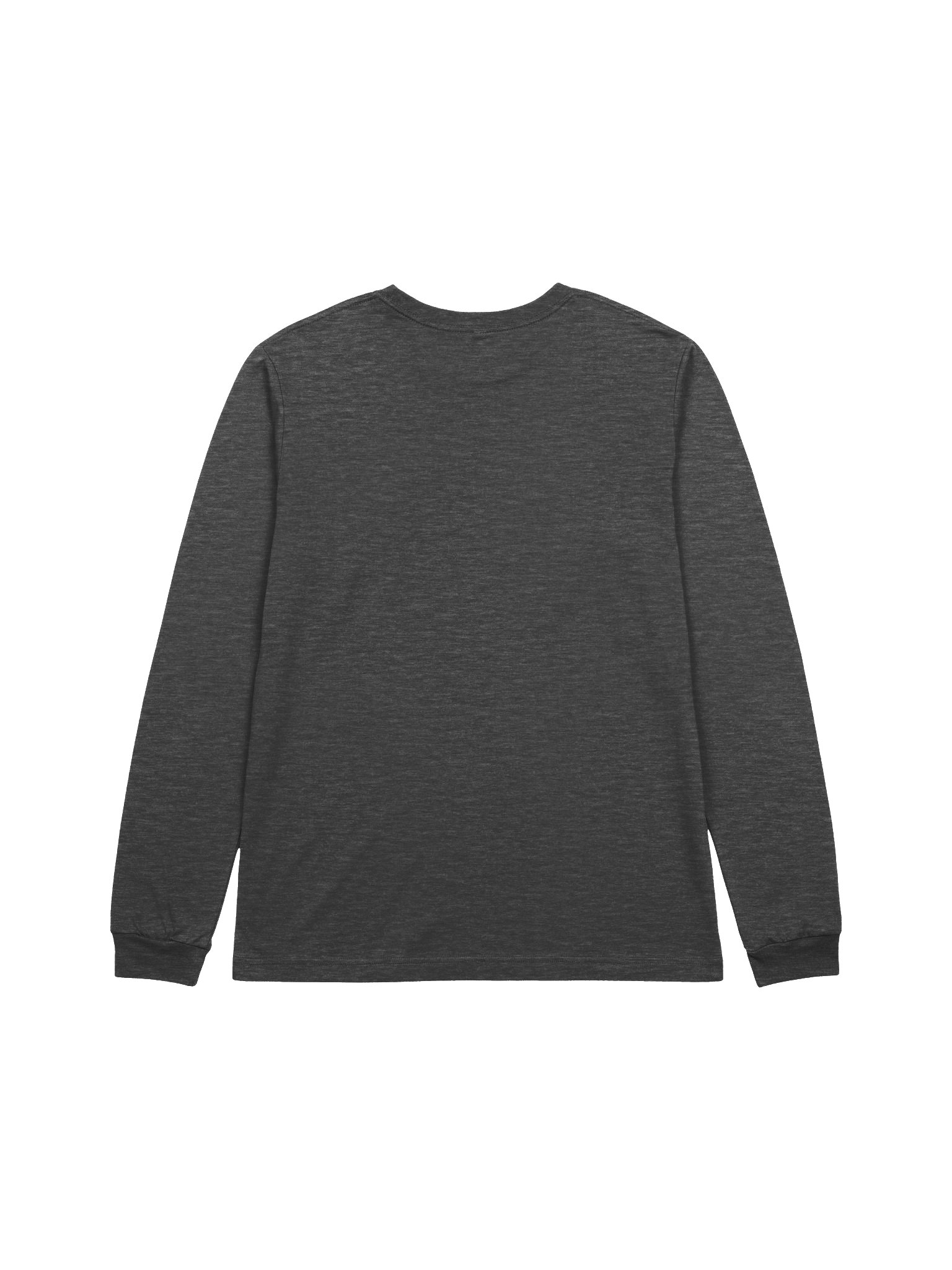
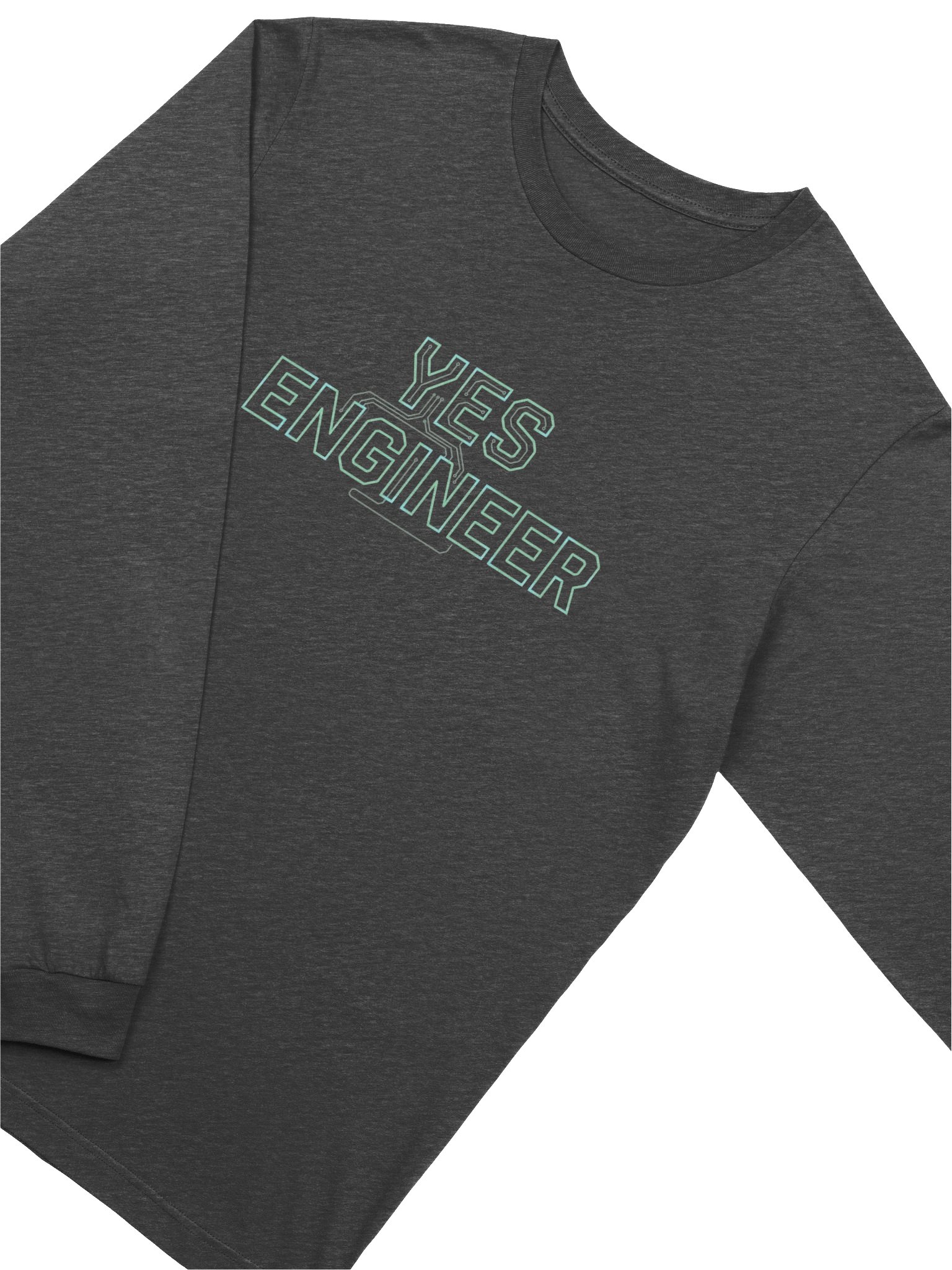
YES ENGINEER | AI Engineer Sweatshirt for Developers & Tech Builders
YES ENGINEER.
An AI engineer sweatshirt for developers, programmers, and builders navigating modern software development.
Inspired by changing requirements, rapid iteration, and AI-assisted workflows, this design captures the mindset of engineers who keep shipping despite uncertainty.
A developer culture piece representing adaptive execution in the age of intelligent systems.
YES ENGINEER | AI Engineer Sweatshirt for Developers & Tech Builders Size Guide
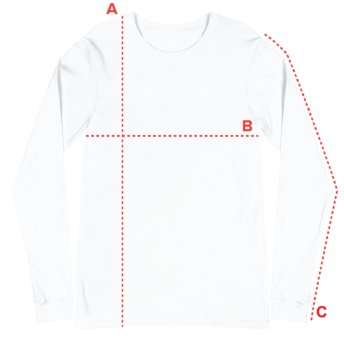
| Size label | Length | Width | Sleeve length |
|---|---|---|---|
|
XS
|
27
|
16
|
25
|
|
S
|
28
|
18
|
25.6
|
|
M
|
29
|
20
|
26.2
|
|
L
|
30
|
22
|
26.9
|
|
XL
|
31
|
24
|
27 1/2
|
|
2XL
|
32
|
26
|
28.1
|