
Prompt Engineering and the Art of Hope: Why AI Builders Say "99% Prompt, 1% Prayer"
Keywords: prompt engineering, AI prompting, AI developer culture, AI memes, prompt engineering best practices, AI hallucination, large language models, AI workflow, generative AI, AI engineer lifestyle
Artificial intelligence has changed how people create.
A few years ago, building software meant writing code.
Today, many builders spend their time writing prompts.
The rise of large language models has transformed communication into a development tool.
Ideas become prompts.
Prompts become outputs.
Outputs become products.
Yet anyone who works with AI long enough eventually discovers an uncomfortable truth:
Even the best prompt doesn't always guarantee the result you want.
And that's where the joke begins.
The Rise of Prompt Engineering
As generative AI became mainstream, a new discipline emerged:
Prompt engineering.
The goal seems simple.
Tell the model exactly what you want.
Provide context.
Define constraints.
Specify formatting.
Clarify objectives.
The better the prompt, the better the output.
At least in theory.
In practice, things are often more complicated.
When Perfect Prompts Meet Imperfect Reality
Anyone who regularly uses AI tools has experienced the same moment.
You carefully craft a prompt.
You provide detailed instructions.
You define the tone.
You include examples.
You double-check everything.
Then the model produces something completely unexpected.
Sometimes it's brilliant.
Sometimes it's confusing.
Sometimes it ignores half the instructions.
And occasionally it feels like the AI simply decided to pursue its own creative vision.
This unpredictability has become one of the defining experiences of working with generative AI.
"99% Prompt, 1% Prayer"
Out of that experience emerged a phrase that instantly resonates with AI builders:
"99% PROMPT, 1% PRAYER."
The joke works because it captures a universal truth.
Success with AI often requires skill.
But it also occasionally requires faith.
Not because the technology doesn't work.
But because even advanced systems can behave in unexpected ways.
Every AI creator knows the feeling.
You hit Enter.
You wait.
And for a brief moment, you silently hope the model understands exactly what you meant.
The phrase exaggerates reality, but not by much.
Why AI Humor Exists
Every technological revolution creates its own frustrations.
And every technical community creates humor to cope with them.
Programmers joked about bugs.
System administrators joked about outages.
Startup founders joked about running out of money.
AI builders joke about prompts.
Humor helps people navigate uncertainty.
It transforms technical challenges into shared cultural experiences.
And over time, those experiences become part of community identity.
The Human Skill Behind Great AI Outputs
One common misconception is that AI eliminates expertise.
In reality, AI often shifts where expertise matters.
The most successful builders are rarely those who write the longest prompts.
They are the ones who understand:
- context
- intent
- communication
- iteration
- problem definition
The quality of a result frequently depends on the quality of the thinking behind the request.
Prompt engineering is not simply about talking to machines.
It's about thinking clearly.
And clear thinking has always been valuable.
Why Prompting Feels Different From Programming
Traditional programming is deterministic.
If the code is correct, the result is predictable.
Generative AI introduces something different.
The interaction becomes probabilistic.
Two nearly identical prompts can produce different outcomes.
Creativity enters the process.
Interpretation enters the process.
Unexpected discoveries enter the process.
This is one reason AI feels less like operating software and more like collaborating with a creative partner.
A very intelligent partner.
A very useful partner.
And occasionally a very unpredictable partner.
The Inspiration Behind "99% Prompt, 1% Prayer"
The phrase "99% PROMPT, 1% PRAYER" emerged from this unique relationship between humans and AI.
It celebrates a reality familiar to developers, founders, marketers, designers, writers, and creators working with generative tools.
Success rarely comes from a single prompt.
It comes from experimentation.
Iteration.
Refinement.
And sometimes a small amount of optimism.
The phrase is funny because it reflects a genuine experience shared by millions of AI users worldwide.
It transforms a technical challenge into a cultural symbol.
What This Says About the AI Era
Artificial intelligence is changing more than workflows.
It is changing language.
New concepts enter everyday conversation:
- prompts
- tokens
- agents
- context windows
- hallucinations
Alongside those concepts comes a new generation of jokes, memes, and cultural references.
These expressions document how people adapt to technological change.
They reveal how communities think.
And they capture moments that formal documentation often misses.
Final Thoughts
The future of AI will undoubtedly become more powerful, more reliable, and more capable.
But some experiences may never disappear.
Builders will continue refining prompts.
Creators will continue experimenting.
And somewhere around the world, someone will still press Enter and quietly hope everything works exactly as intended.
Because despite all the advances in artificial intelligence, many AI users understand one timeless principle:
Sometimes success is still
99% Prompt.
1% Prayer.

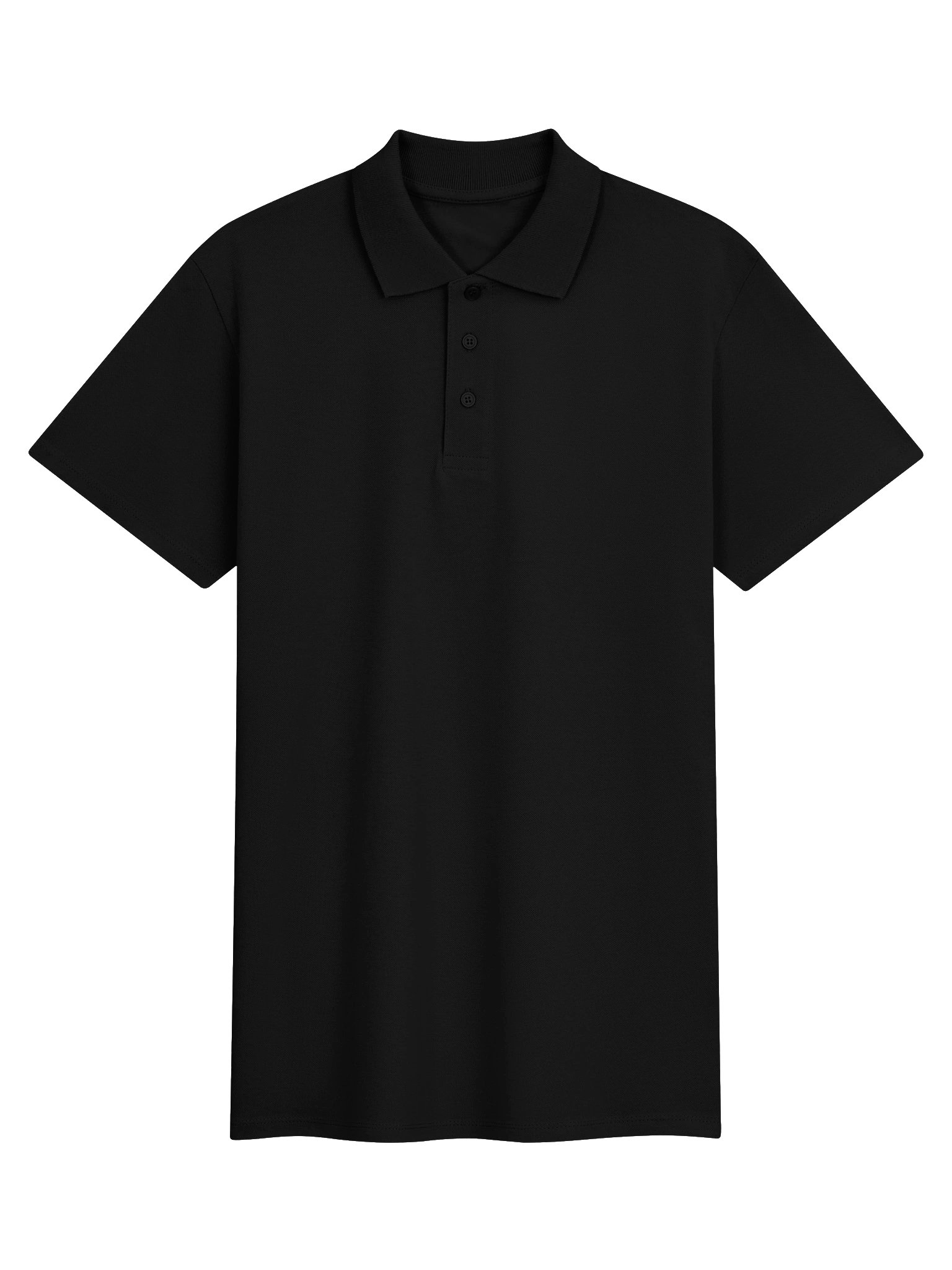
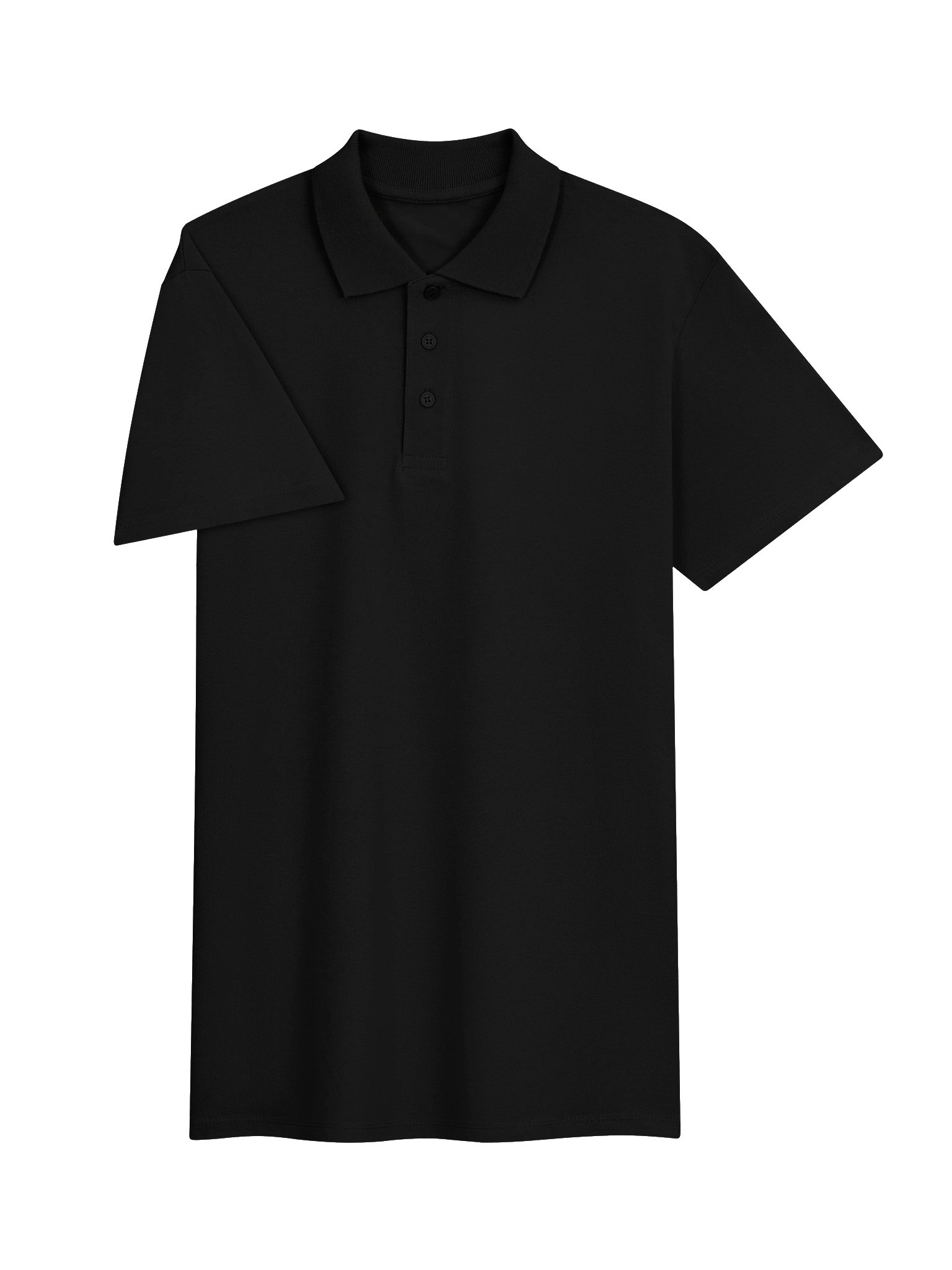
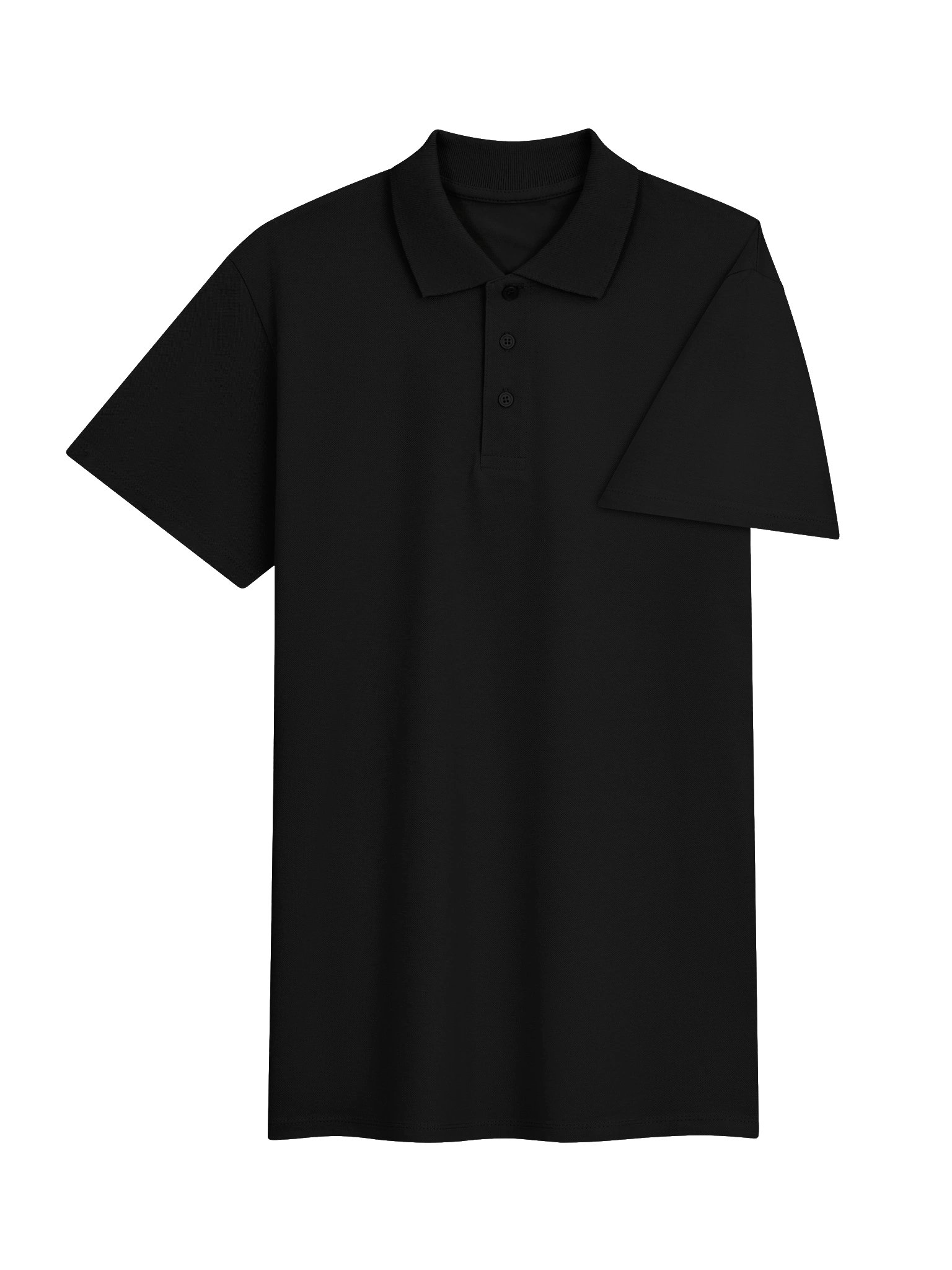
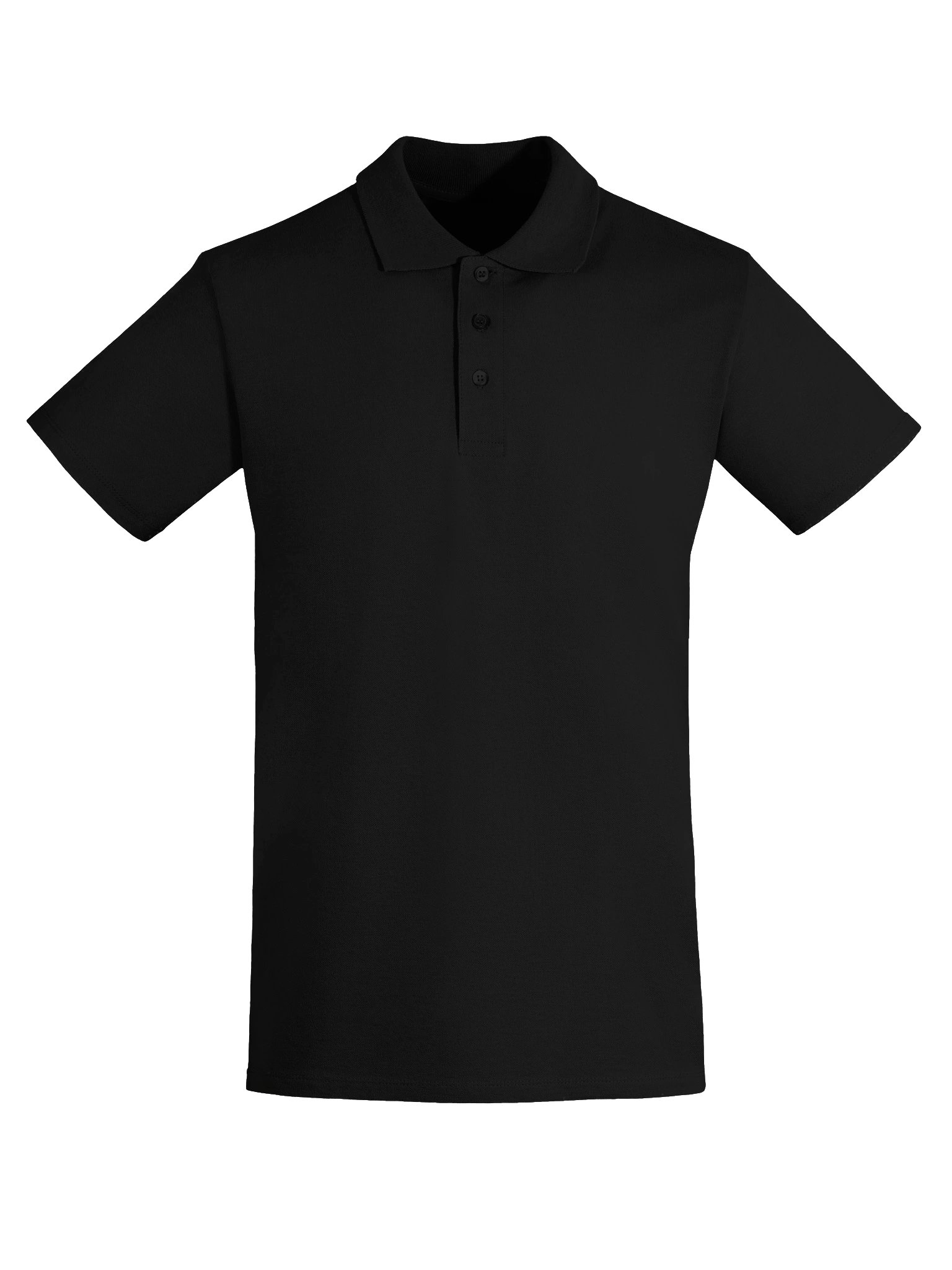
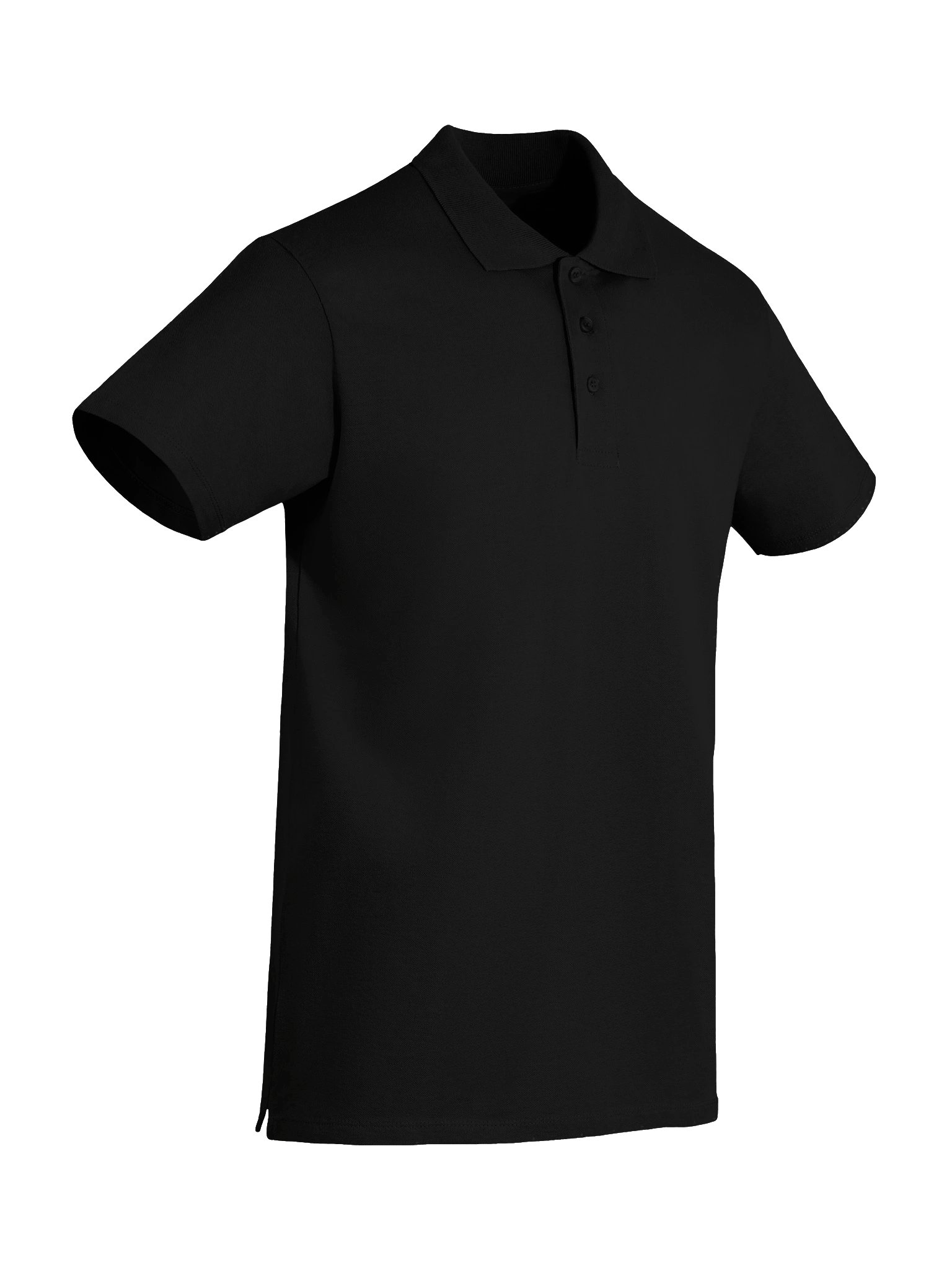


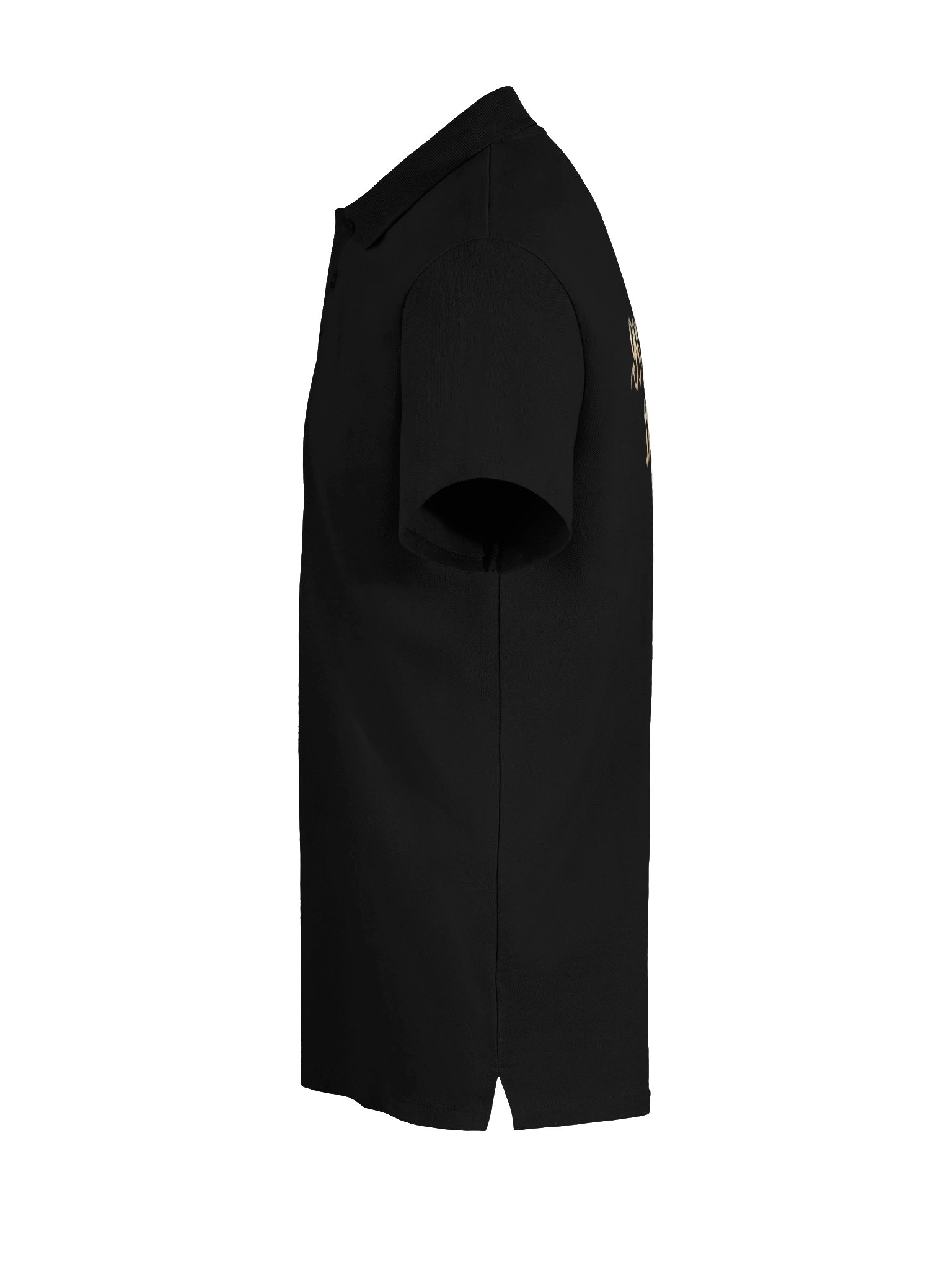
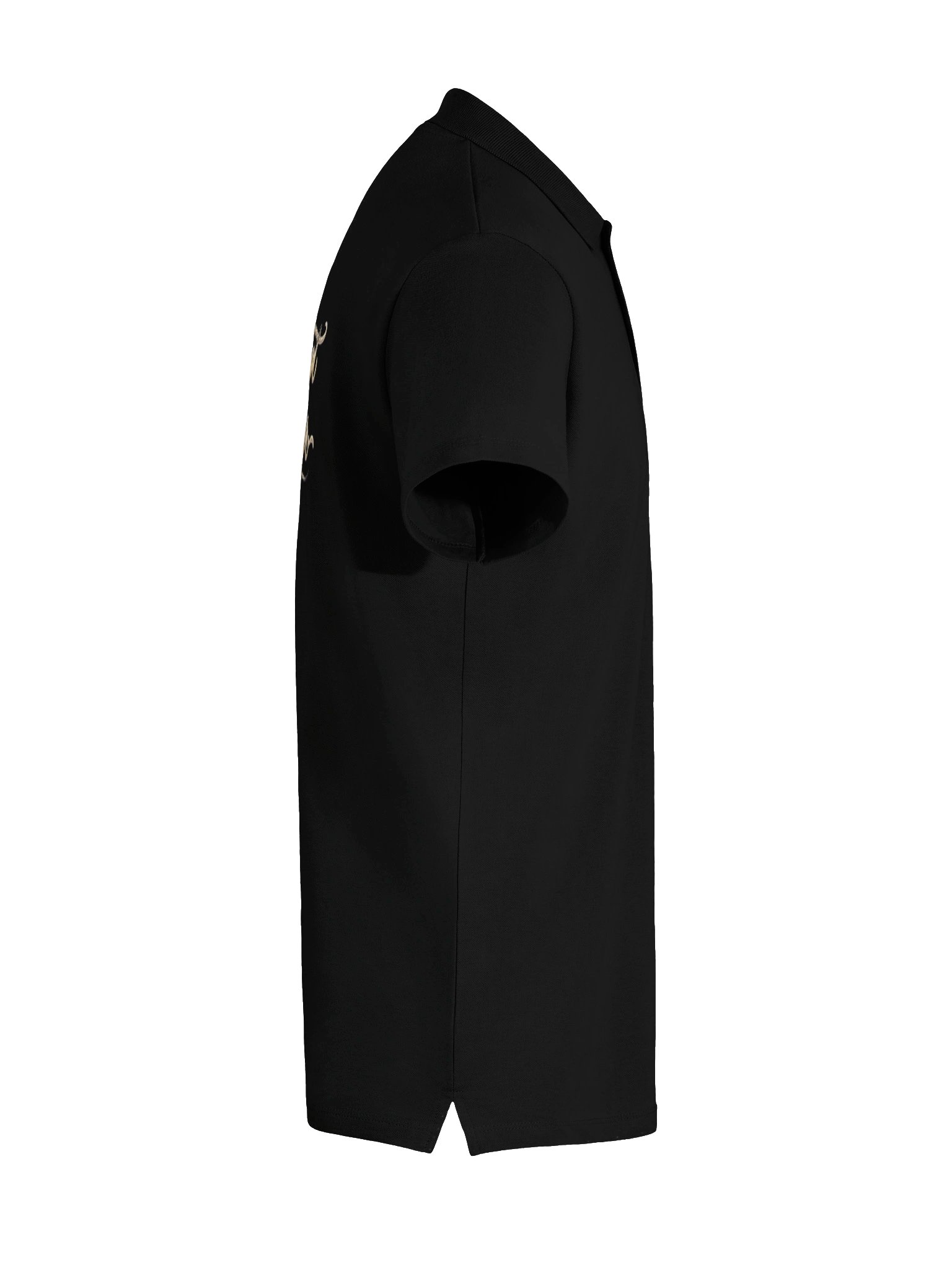
PROMPT ENGINEER | AI Developer Meme Polo Shirt for Prompt Engineers & Builders
PROMPT ENGINEER.
A new technical identity created when language became an interface.
This AI developer meme polo shirt explores how prompts, instructions, and human intent increasingly shape the behavior of intelligent systems.
PROMPT ENGINEER | AI Developer Meme Polo Shirt for Prompt Engineers & Builders Size Guide
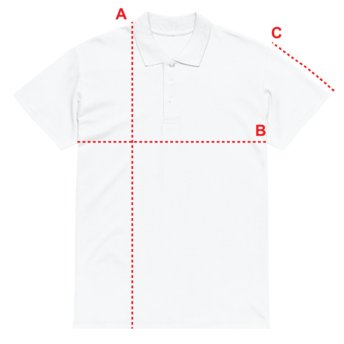
| Size label | A | B | C |
|---|---|---|---|
|
S
|
27.56
|
19.69
|
7.87
|
|
M
|
28.35
|
20.87
|
7.87
|
|
L
|
29.13
|
225
|
7.87
|
|
XL
|
29.92
|
23.23
|
7.87
|
|
2XL
|
31.1
|
24.41
|
7.87
|
|
3XL
|
32.68
|
25.98
|
7.87
|
|
4XL
|
34.25
|
27.56
|
8.27
|
|
5XL
|
35.83
|
29.13
|
8.66
|